
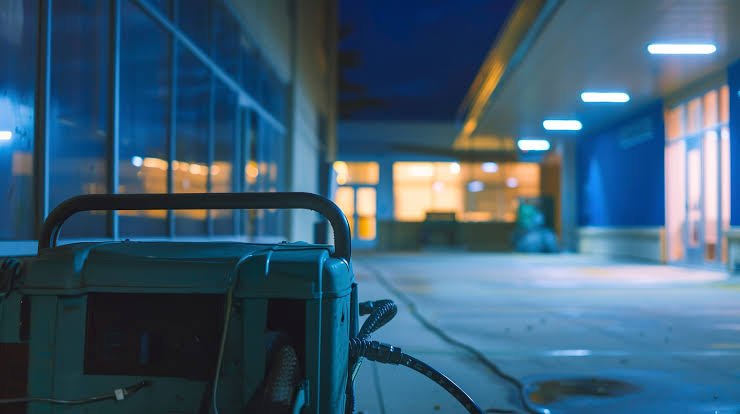
Electricity is essential for the daily operation of modern businesses. Offices need power for computers and communication systems, factories rely on machinery, hospitals require electricity for critical equipment, and retail businesses depend on lighting, security systems, and payment facilities. In Pakistan, where businesses may experience power interruptions, generators are often used to maintain essential operations.
However, generators also introduce safety risks. Improper installation, poor maintenance, unsafe fuel storage, electrical faults, and inadequate ventilation can lead to fires, electric shock, carbon monoxide poisoning, and equipment damage
This article explains why every business needs generator safety, the common hazards associated with generators, and practical steps businesses in Pakistan can take to reduce risks.
1. Understanding the Importance of Generator Safety
A generator converts mechanical energy into electrical energy. Depending on its design, it may use diesel, petrol, natural gas, or another fuel source.
Businesses use generators for different purposes, including:
- Providing backup power during electricity interruptions.
- Supporting essential equipment.
- Maintaining lighting and security systems.
- Reducing disruption to business operations.
- Supporting operations at locations without reliable grid electricity.
Although generators provide useful backup power, they can create hazards when used incorrectly. Fuel-powered generators produce hot surfaces and exhaust gases. Their electrical output can also cause shock, burns, or fires if equipment is damaged or connected improperly.
The US Occupational Safety and Health Administration (OSHA) identifies carbon monoxide exposure, fire hazards, noise, and electrical risks among the dangers associated with portable generators.
A generator safety plan helps businesses recognise these risks before an emergency occurs.
2. Preventing Generator-Related Fires
Fire is one of the major hazards associated with generator operation.
Generators can become hot while running and may remain hot after shutdown. Fuel spills, damaged fuel lines, leaking connections, and contact between fuel vapours and ignition sources can create dangerous conditions.
In a commercial or industrial environment, a generator-related fire may affect nearby equipment, stored materials, vehicles, or buildings.
Common causes of generator fires
Several conditions can increase the risk of fire:
- Refuelling while the engine is running or still hot.
- Leaking or damaged fuel lines.
- Storing fuel close to hot equipment.
- Using damaged electrical cables.
- Poor housekeeping around the generator.
- Allowing combustible waste to accumulate near the equipment.
- Neglecting routine inspections.
How businesses can reduce fire risks
Businesses should establish clear rules for operating and refuelling generators.
Before refuelling, shut down the generator and allow it to cool. Store fuel in suitable, properly labelled containers and keep it away from ignition sources. Inspect fuel lines and connections for visible damage or leakage.
The OSHA generator safety guidance specifically advises shutting down generators and allowing them to cool before refuelling, as well as storing fuel in appropriate containers away from heat and flames.
A generator area should also be kept free from unnecessary combustible materials.
3. Protecting Employees from Carbon Monoxide
Carbon monoxide (CO) is a poisonous gas produced by fuel combustion. It is colourless and odourless, meaning people cannot reliably detect it through sight or smell.
Generators that burn fuel can produce dangerous amounts of carbon monoxide. If exhaust enters a workplace, the gas may accumulate and expose employees or visitors.
Why carbon monoxide is dangerous
Carbon monoxide poisoning can cause:
- Headaches.
- Dizziness.
- Nausea.
- Weakness or tiredness.
- Confusion.
- Loss of consciousness.
- Death in severe cases.
Symptoms can be mistaken for other illnesses, making awareness and prevention particularly important. The US Centers for Disease Control and Prevention explains that generator exhaust can cause carbon monoxide poisoning and recommends using generators outdoors, away from doors, windows, and vents.
How to reduce carbon monoxide exposure
Businesses should:
- Never operate portable fuel-powered generators indoors.
- Avoid placing generators in garages, basements, sheds, or enclosed workspaces.
- Position generators outdoors, away from doors, windows, and ventilation openings.
- Direct exhaust away from occupied areas.
- Follow the manufacturer’s clearance and ventilation instructions.
- Consider suitable carbon monoxide detection where the risk assessment identifies a need.
The CDC recommends placing portable generators at least 20 feet from doors, windows, and vents. This is a useful safety benchmark, but businesses should also follow the equipment manufacturer’s instructions and any applicable local requirements.
Important: Opening a door or window does not make indoor generator operation safe.
4. Reducing Electrical Shock and Fire Hazards
Generators produce electrical power, which can be dangerous when equipment is damaged, wet, overloaded, or connected incorrectly.
Electrical hazards may arise from exposed wires, damaged insulation, faulty connections, unsuitable extension cords, or improper connection to a building’s electrical system.
Common electrical mistakes
Some businesses make the mistake of connecting generators to building wiring without a properly designed transfer arrangement. This can create risks for workers, equipment, and utility personnel.
Other hazards include:
- Using damaged cables.
- Overloading the generator.
- Operating equipment in wet conditions.
- Touching electrical components with wet hands.
- Using unsuitable plugs or connectors.
- Allowing unqualified people to carry out electrical work.
Safe electrical practices
A qualified electrician should assess the generator’s electrical requirements and connection method.
Where a generator is connected to fixed building wiring, the installation should use an appropriately rated transfer switch and comply with applicable electrical requirements. The National Fire Protection Association’s generator guidance also advises using a qualified electrician for connections to building wiring.
Businesses should also ensure that:
- Electrical cables are suitable for the environment.
- Equipment is protected from moisture.
- The generator is not overloaded.
- Electrical inspections are completed by qualified personnel.
- Maintenance work follows appropriate isolation procedures.
Never attempt improvised electrical connections to restore power quickly.
5. Maintaining Business Continuity
Power interruptions can affect business operations in different ways.
A factory may have to stop production. A retail store may lose lighting or payment facilities. An office may lose access to computers and communication systems. A healthcare facility may need to maintain power to designated critical equipment.
A generator can support continuity, but only if it is properly maintained and suitable for the intended load.
Why maintenance matters
A generator that has not been serviced may fail when the business needs it most. Problems with the battery, fuel system, cooling system, electrical connections, or engine can prevent reliable operation.
Maintenance should follow the manufacturer’s schedule and account for how frequently the generator is used.
Recommended maintenance practices
Businesses should establish a written programme that includes:
- Routine visual inspections.
- Checking for leaks or visible damage.
- Reviewing fuel and lubrication requirements.
- Checking battery condition and starting systems.
- Inspecting cables and electrical connections.
- Arranging professional servicing.
- Testing the generator according to the manufacturer’s instructions.
- Keeping maintenance records.
Emergency generators that support critical operations may require additional monitoring and testing based on the facility’s needs and applicable requirements.
Maintenance activities must also be planned so that workers are protected from unexpected starting, electrical energy, moving parts, and other hazards. OSHA guidance discusses the need to isolate equipment and control hazardous energy during servicing.
6. Choosing a Safe Location for the Generator
The location of a generator affects ventilation, fire exposure, noise, accessibility, and maintenance.
A generator placed too close to occupied areas may expose people to exhaust or noise. Equipment placed near combustible materials may increase fire risks. A poorly accessible installation can also make inspection and emergency response more difficult.
What should businesses consider?
Before installation, businesses should consider:
- The generator’s fuel type and capacity.
- Exhaust direction and ventilation.
- Distance from doors, windows, and air intakes.
- Separation from combustible materials.
- Protection from rain and flooding.
- Access for maintenance and emergency personnel.
- Noise and vibration.
- Safe fuel delivery and storage.
Portable generators should be operated outdoors in a suitable location. Permanent installations require a site-specific design that considers the building, equipment, fuel system, and applicable requirements.
OSHA’s fire protection guidance notes that generator placement should account for access by firefighters and protection from hazards such as building fires and flooding.
A qualified professional should determine the appropriate installation arrangement rather than relying on guesswork.
7. Training Employees and Assigning Responsibilities
Generator safety depends on people as well as equipment.
Employees may be unfamiliar with generator controls, emergency shutdown procedures, fuel handling, or the warning signs of equipment failure. Without clear responsibilities, workers may make unsafe decisions during a power outage.
Why employee training is necessary
Training helps employees recognise hazards and understand what they should and should not do.
It can also prevent unauthorised workers from attempting repairs, refuelling, or electrical connections.
What training should include
A business generator safety programme should explain:
- Who is authorised to operate the generator.
- How to report leaks, unusual noise, smoke, or damage.
- Safe refuelling procedures.
- Electrical safety precautions.
- Carbon monoxide risks.
- Emergency shutdown procedures.
- Evacuation and emergency reporting arrangements.
- When maintenance must be handled by a qualified technician.
Training should use language employees understand and be suitable for their actual responsibilities.
Businesses should also appoint a responsible person to coordinate inspections, maintenance records, and communication with service providers.
8. Integrating Generator Safety with Fire Alarm Systems
Generator safety should be considered alongside a building’s wider fire protection arrangements.
A generator does not replace a fire detection or alarm system. It provides electrical power, while a fire alarm system is designed to detect or receive signals about a fire condition and alert occupants according to its configuration.
Where a building has backup power, the fire safety design should consider which systems need power during an outage and how the transition to backup power is managed.
Why coordination matters
A power interruption may affect lighting, alarms, communication equipment, security systems, or other building services, depending on how the installation is designed.
A planned approach helps businesses identify which systems require backup power and how they should operate during an emergency.
Practical steps
- Identify essential safety systems through a professional assessment.
- Confirm that backup power arrangements are appropriate for their intended loads.
- Have electrical connections and transfer arrangements professionally designed.
- Maintain and test equipment according to relevant requirements.
- Ensure that staff understand the emergency procedures during power interruptions.
- Keep alarm and evacuation procedures clear and accessible.
A suitable fire alarm system in Pakistan can form part of a business’s wider fire protection strategy. Its design should be appropriate for the building, occupancy, and hazards rather than selected solely on price.
For information about fire safety solutions, visit Flame Defender.
9. Safe Fuel Storage and Handling
Fuel is a necessary part of operating many generators, but it can create serious fire hazards if handled or stored improperly.
Fuel vapours may ignite when exposed to flames, sparks, hot surfaces, or other ignition sources. Spills can also create slip hazards and contaminate surrounding areas.
Safe fuel practices
Businesses should:
- Use suitable containers designed for the fuel being stored.
- Keep fuel containers properly labelled.
- Store fuel in a designated, suitable location.
- Keep fuel away from ignition sources and hot equipment.
- Avoid smoking near fuel storage or refuelling areas.
- Clean up spills using appropriate procedures.
- Restrict access to authorised personnel.
- Follow local fire safety and environmental requirements.
Fuel storage arrangements should be assessed based on the type and quantity of fuel, the building’s use, and applicable local rules.
10. Preparing for Generator Emergencies
Even with careful planning, equipment can malfunction. Businesses should prepare for situations such as fuel leaks, electrical faults, overheating, smoke, fire, or suspected carbon monoxide exposure.
A written emergency procedure helps employees respond consistently rather than improvising.
Emergency planning should include
- Clear instructions for raising the alarm.
- Safe evacuation routes and assembly arrangements.
- Contact details for emergency services and responsible personnel.
- Procedures for shutting down equipment, where safe and appropriate.
- Instructions for reporting leaks and electrical faults.
- Arrangements for restricting access to unsafe areas.
- A process for checking and restoring equipment after an incident.
Employees should never be instructed to fight a generator fire unless they are appropriately trained, equipped, and the situation is safe. Evacuation and emergency assistance take priority.
If carbon monoxide exposure is suspected, move to fresh air immediately, seek medical help, and do not re-enter the affected area until it has been assessed as safe by properly equipped personnel.
11. Creating a Generator Safety Checklist for Businesses
A checklist can help managers organise routine checks and identify issues that require professional attention.
The following is a general guide and should be adapted to the generator’s design, manufacturer’s instructions, and applicable requirements.
| Safety area | What to check |
|---|---|
| Location | Generator is in a suitable, accessible location |
| Ventilation | Exhaust cannot readily enter occupied areas |
| Fuel system | No visible leaks or damaged fuel lines |
| Electrical system | Cables and connections show no visible damage |
| Housekeeping | Area is clear of unnecessary combustible materials |
| Refuelling | Safe shutdown and cooling procedures are followed |
| Maintenance | Servicing and inspections are documented |
| Training | Operators know their responsibilities |
| Emergency plan | Shutdown, evacuation, and reporting procedures are clear |
| Fire protection | Appropriate detection and firefighting arrangements are considered |
A checklist does not replace professional inspection, electrical design, or maintenance. It is a practical tool for supporting a broader safety programme.
12. Why Generator Safety Matters for Businesses in Pakistan
Businesses in Pakistan operate in a variety of environments, including commercial buildings, industrial estates, offices, retail premises, healthcare facilities, and remote work sites.
Each environment has its own hazards and operational needs. A generator used at a small office may have different requirements from one supporting a factory or a facility with critical equipment.
A practical generator safety programme should account for:
- The building’s occupancy and activities.
- Generator type, capacity, and fuel.
- Electrical loads and connection arrangements.
- Ventilation and exhaust placement.
- Fuel storage conditions.
- Maintenance access.
- Employee training.
- Applicable local building, fire, and electrical requirements.
Businesses should consult qualified electrical and fire safety professionals to determine the requirements that apply to their particular premises.
Conclusion
Every business that uses a generator needs a clear safety plan. Generators can help maintain operations during power interruptions, but they also introduce risks involving fire, carbon monoxide, electrical shock, fuel handling, and equipment failure.
The most effective approach combines safe installation, appropriate ventilation, professional electrical connections, regular maintenance, careful fuel storage, and employee training.
Businesses should also coordinate generator arrangements with their wider fire protection and emergency planning. A properly selected fire alarm system, clear evacuation procedures, and suitable firefighting equipment can support a more comprehensive safety strategy.
Ultimately, generator safety is about protecting people first, reducing preventable damage, and helping businesses operate responsibly. By identifying hazards and establishing consistent procedures, businesses in Pakistan can make generator use safer for employees, customers, and visitors.
Frequently Asked Questions (FAQs)
1. Why is generator safety important for businesses?
Generator safety helps reduce the risks of fire, carbon monoxide poisoning, electrical shock, fuel-related incidents, and unexpected equipment failure. It also supports safer business operations during power interruptions.
2. Can a generator be operated inside a business building?
Portable fuel-powered generators should never be operated indoors or in enclosed spaces, including garages and basements. They produce carbon monoxide, which can accumulate and cause serious poisoning. Use them outdoors in a suitable location away from doors, windows, and vents.
3. How often should a business generator be maintained?
Maintenance frequency depends on the generator type, manufacturer’s instructions, operating hours, and business requirements. Businesses should follow the recommended maintenance schedule and arrange professional servicing.
4. What causes generator-related fires?
Potential causes include fuel leaks, unsafe refuelling, hot engine surfaces, damaged electrical cables, poor maintenance, and storing combustible materials too close to the generator.
5. Does a generator replace a fire alarm system?
No. A generator provides electrical power, while a fire alarm system is intended to provide fire detection or alarm functions. Backup power and fire alarm arrangements should be designed to work appropriately within the building’s overall fire safety plan.